Showing posts with label seraikistan. Show all posts

Tuesday, January 10, 2012

Divide unite and rule efficiently

Divide, unite and rule efficiently

New provinces are again on the lips of Pakistan’s mainstream politicians, adding one problem to the heavy pot of problems this young nation has to solve. Most notably are members of the governmental PPP who have been vocal for creating a Southern Punjab province. The main opposition party PML-N has also lately followed up the demand, but the signals from the leadership are mixed as many leaders from north Punjab fear of losing influence in the new province.
The former military backed PML-Q which recently joined the government coalition has early on been vocal in its demand for new provinces. Not only do they demand a southern Punjab province, but also one for the Hindko people bordering to Kashmir naming it Hazara. The PML-N has echoed this demand. The main propagator from the N-camp Makhdoom Javed Hashmi who recently got elected senior vice-president of the party has even hinted the wish for four provinces of Punjab (reduced from 16 provinces!).
MQM the dominant party in the coastal city of Karachi (and on-off coalition partner) represents the Urdu-speaking Muhajir community in the Sindh province. The local Sindhi speakers feel sidelined by Muhajirs dominance in Karachi and the second biggest city Hyderabad in the province. During Nawaz Sharif’s first stint as Prime Minister (1990-1993) he along with the Army launched a major military operation (Operation Clean-up 1992-1994) in Karachi. The involvement was justified by fabricated maps of a proposed Jinnahpur state which allegedly the MQM wanted to carve out of Karachi. Although the whole Jinnahpur theory was proven wrong by the army itself, there are estimates of several thousand deaths and missing persons as a result of this operation. At present the PML-N leader Shahbaz Sharif, Nawaz Sharif’s younger and more pragmatic brother has hinted that If Punjab is to be divided into two provinces so should Sind (suggesting Karachi as one province for the Muhajirs). His remarks only helped putting more fuel on the ethnic and religious tension in the province and the death stricken metropolis, Karachi.
The demands and wishes can be lined up till eternity without having any basis. Yet the strongest as most legitimate demand is that of a Seraiki province carved out from dividing the mammoth Punjab province in two pieces. Provinces based on language and culture as that proposed for the Seraiki belt will be an acceptable solution and have good chances of getting support from the parliament. Crippling Punjab will make the province seeking alliances for important matters among other provinces. Such is the case in India, where not one union state dominates the parliament. Such was the case in Pakistan when it had an eastern wing, for the balance, at least in theory.
A future Seraiki province will according to some maps include the following districts of Punjab: Mianwali, Khushab, Sargodha, Jhang, Toba Tek Singh, Sahiwal, Pakpattan, Vehari, Khanewal, Bhakkar, Layyah, Dera Ghazi Khan, Muzaffardagh, Multan, Lodhran, Rajanpur, Rahim Yar Khan, Bahawalnagar and Bahawalpur. From Khyber-Pakhtunkhwa the districts of Dera Ismail Khan and Frontier Region Tank of FATA is also suggested but is not likely to be voted by Peshawar Assembly. It is not sure if Lahore will allow such a big breakaway, the districts from Mianwali till Pakpattan will be disputed, but what was before known as Bahawalpur princely state and what comprises Multan and surrounding areas are for certain Seraiki speaking areas. Multan will in this case be the provincial capital which will boost up the industry and importance of the city. Lesser distance between the districts and the capital will also result in an effective administration. The new Province will be a balancing factor in order to keep the provinces at check when it comes to water sharing, NFC award and intra provincial crop trading
Surely one province is the most Pakistan needs of now. But reorganisations will be necessary for the other provinces. Sardar Vallabhbhai Patel, the first Home Minister of India initiated the States Reorganisation Act of 1956. The aim was to integrate the several hundred princely states with the federal structure of states and territories. Pakistan never got such opportunity because of its political crises from early on and made matters worse by the one-unit scheme which united all territories and provinces into one western and one eastern state. When Bangladesh ceded away in 1970, the then dictator General Yahya Khan Qizilbash hastily mapped new provinces which have survived till date. The process of integrating former princely states and tribal areas has been almost at halt. Therefore, it is about time, high time, that Pakistan puts forth one reorganisation act in order to fulfill a job which should have been done decades ago.
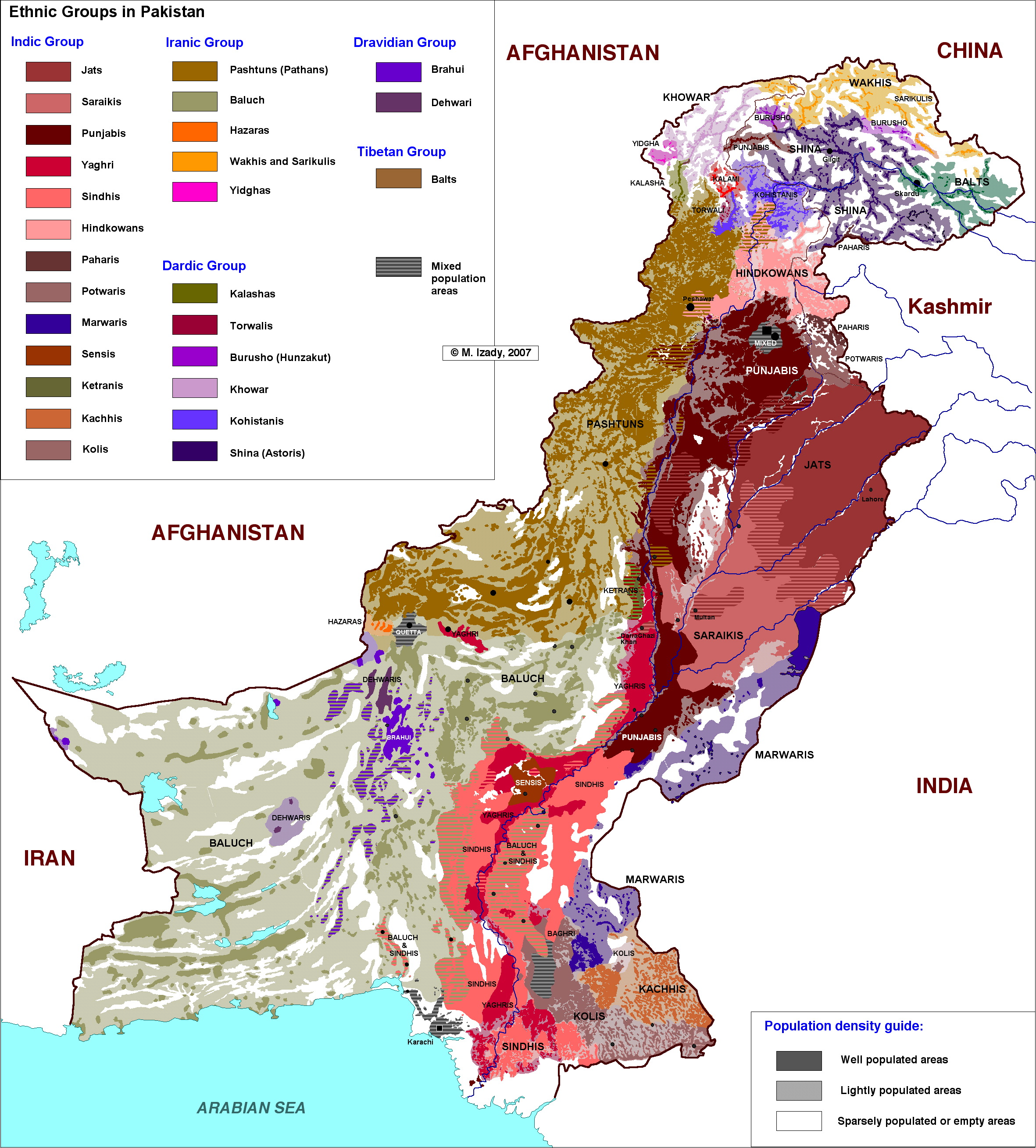
Pakistan ethnic map
Some suggestions of what the reorganisations act could include are the following:
  • Carving of a South Punjab / Seraiki Province with the provincial capital in Multan.
  • Renaming Khyber-Pakhtunkhwa to simply Pakhtunkhwa as Khyber is just a political compromise and not a reflection of the Hindko people’s wishes which was put in place because of PML-N and Q. In addition, Khyber tribal agency is populated by Pashtun’s and not Hindkos and therefore it seems quite illogical to keep this name.
  • The move to create a Hazara province for the Hindko people of Khyber-Pakhtunkhwa should be scrapped. The districts of Abbottabad, Battagram, Haripur, Kohistan and Mansehra which are suggested to form Hazara are alone not big enough in size or population to form a separate province with a separate government. The cost of such move will be higher than the good earned from it.
  • So should the move for a separate Bahawalpur Province be quelled. Bahawalpur Princely State was during independence probably the most advanced divisions of Pakistan. This was due to its ruler’s commitment to education, infrastructure and effective revenue gathering. A Seraiki province needs to include such territories to their areas in order to not only gain from its history, but also get influenced by it.
  • Baluchistan should get means necessary to enforce governmental writ on its territories and start engaging in projects to build up infrastructure so the poverty stricken people do not feel compelled to fight for a separate homeland. The baluch territory in Sindh west of Indus river should also be on the table for land swaps with Baluchistan.
  • Baluchistan PATA (Provincially Administered Tribal Areas, it being Zhob, Loralai, Kohlu and Dera Bugti Districts in addition to Dalbandin Tehsil of Chagai District) territories should be suggested to be integrated with Pakhtunkhwa. The criteria can be the location on the map (how close it is to Pakhtunkhwa) and if Pashto is spoken widely in the named districts.
  • Pakhtunkhwa itself has its own PATA and FATA (Federally Administered Tribal Areas) territories. Governmental control is limited and both development projects and tax collection is difficult. If authorities in Islamabad and Peshawar cannot ensure proper infrastructure, school and health facilities and subsequent jobs and investment then tax income for the province and the federal state will remain nil. One idea is to make one separate province in Pakistan’s northern areas comprising Gilgit-Baltistan, Azad Kashmir, PATA-territory of Pakhtunkhwa (Chitral, Upper and Lower Dir and Swat) and Hazara districts mentioned earlier. These units together will form a strong force in the parliament and be of significance due to its location both for international trade and human development. Azad Kashmir and Gilgit-Baltistan are on paper autonomous regions (even considered separate states), but being realistic, Pakistan does control this territory and should for the sake of development and equality before the law incorporate these regions under Islamabad’s political and legislative control. The proposed Northern Province consists of various Dardic ethnic groups as well as languages. The religious and ethnic mixture in this area is known for its harmony and tolerance and should become strength in order to unite these people in the hilly north under one administration. The capital will most likely be in Muzaffarabad.
  • FATA territories which consist Bajaur, Mohmand, Khyber, Orakzai, North and South Waziristan and Kurram Agenzy in addition to the Frontier Regions of Peshawar, Kohat, Bannu, Lakki Marwat, Tank and Dera Ismail Khan should be integrated to Pakhtunkhwa. This in order to let the constitution and all the rights which follow it can be enforced upon the war torn tribal belt. Pashto speaking districts in Punjab such as parts of Dera Ghazi Khan can also be suggested to be part of the new setup.
  • Islamabad Capital Territory is growing as every other national capital. It is suggested that the Rawalpindi District donates some Tehsils such as Taxila and Rawal so the national Capital can be built further on and keep up with the population pace. The eastern Tehsils of Rawalpindi, namely Kalhuta, Kotli Sattian and Murre can easily be incorporated in the proposed Northern Province as the lingo and ethnic mixture do have a connection to Azad Kashmir and to the Pahari language.
  • As for the Muhajirs and the concept of a Muhajir province the issue should be closed down immediately. MQM, which was previously named Muhajir Quami Movement has since the 90s changed its name to Muttahida Quami Movement (Muttahida means united), the party is hinting to be a federal force and wants to recruit and is appealing to non-muhajirs as well. This movement has spread not only in Sindh but also in urban Punjab. Karachi will not become a province, but Sindh have two districts, Kashmore and Gotkhi which have a sizeable seraiki population. These territories will also be worth considering when a future province is carved.

Yet it is important to note that new provinces, name-changes, swapping of territory between provinces and changing of territorial status for tribal areas will require a constitutional amendment. The amendment requires two thirds majority in the parliament (National Assembly, Senate and the Provincial Assemblies). With no party in clear majority, and opposition always eager to oppose every motion, it will not be easy to do this job if not all the major stakeholders get together for the common good. Still all the major parties will find some gains and some losses in a future proposed amendment. For example will the PML-N and Q factions get much influence in a Northern Province, while ANP will strengthen its base in Pakhtunkhwa and PPP will probably reduce its size in Lahore and increase it in Multan.
Six provinces, easy to remember, easy to govern and easy to work with. It is important to have the constitution and governmental writ in place for the whole of what is known as Pakistan and its patient inhabitants. But keep in mind, such reorganization will not end poverty, energy deficit, inflation, target- and untargeted killings, intolerance and terrorism. Political leaders should put together their brilliant heads to solve out those problems as well.

Monday, January 9, 2012

Fort Munro: The forgotten hill resort

Fort Munro: The forgotten hill resort

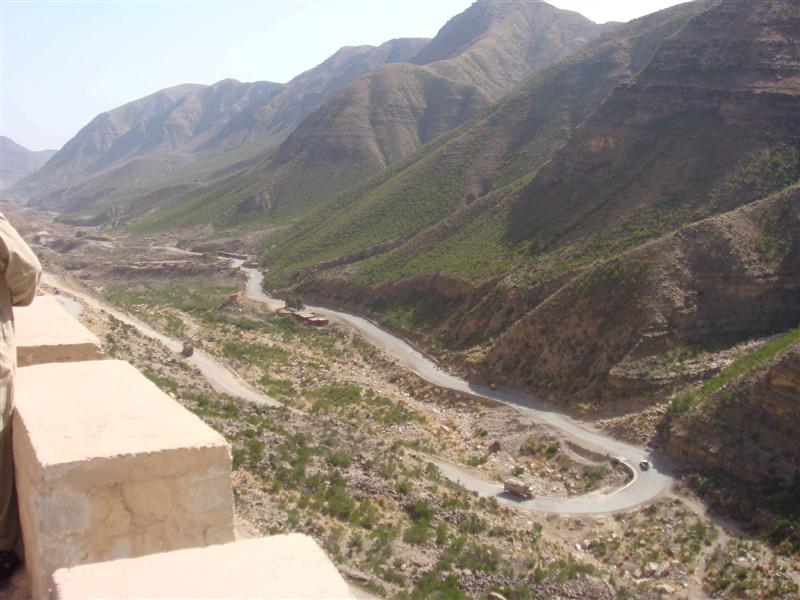
In year 2004, while I was posted to Multan, a friend offered me to visit Fort Munro – though I had heard of the name of the place, but never thought of visiting it. When I discussed with my family and a friend, the readily agreed to take up the trip. So one fine morning, which is very rare in Multan owing to its ever rising mercury in summers, we packed our luggage and headed towards Dera Ghazi Khan as Fort Munro lies on Multan Quetta highway that passes through the Dera. The total distance from Multan is around 185 kilometers, while ahead of the Dera it is 85 kilometers through the treacherous windings and slopes of Suleiman mountain range. In fact Fort Munro is part of the Sulaiman Mountain range.
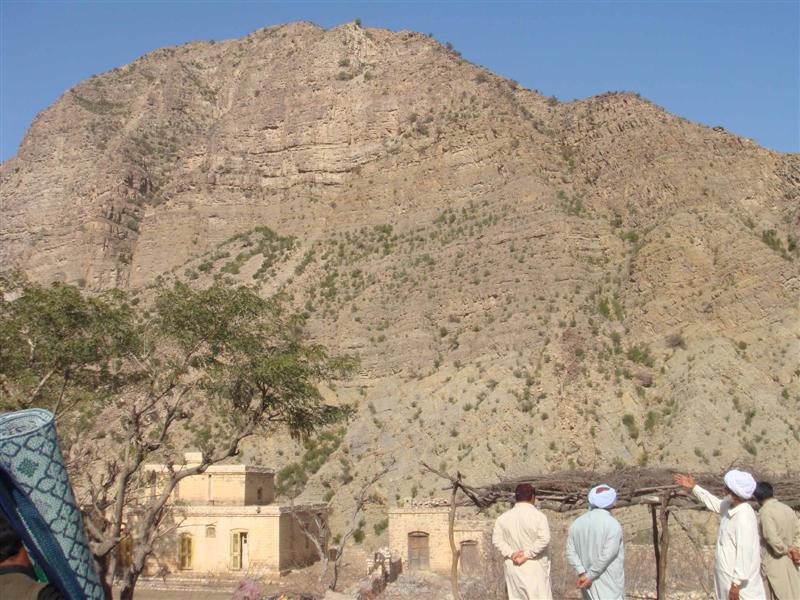
The range is located in central Pakistan, extending southward about 280 miles (450 km) from the Gumal Pass to just north of Jacobabad, separating the North-West Frontier Province and Punjab from Balochistan. Its heights gradually decrease toward the south, with summits averaging 6,000–7,000 feet, the highest being the twin peaks (30 miles from the Gumal Pass) called Takht-i Sulaiman, or Solomon’s Throne, which legend connects with King Solomon’s visit to Pakistan; the higher of the peaks, at 18,481 feet (5,633 m), is the site of a Muslim Ziyarat (shrine) visited annually by many pilgrims. The range’s eastern face dips steeply to the Indus River, but on the west the range declines more gradually. Juniper and edible pines abound in the north and olives in the centre, but vegetation is scarce in the south. The Ghat, Zao, Chuhar Khel Dhana, and Sakhi Sarwar are the principal passes in the north. In the south, west of Dera Ghazi Khan, lies the hill station of Fort Munro.
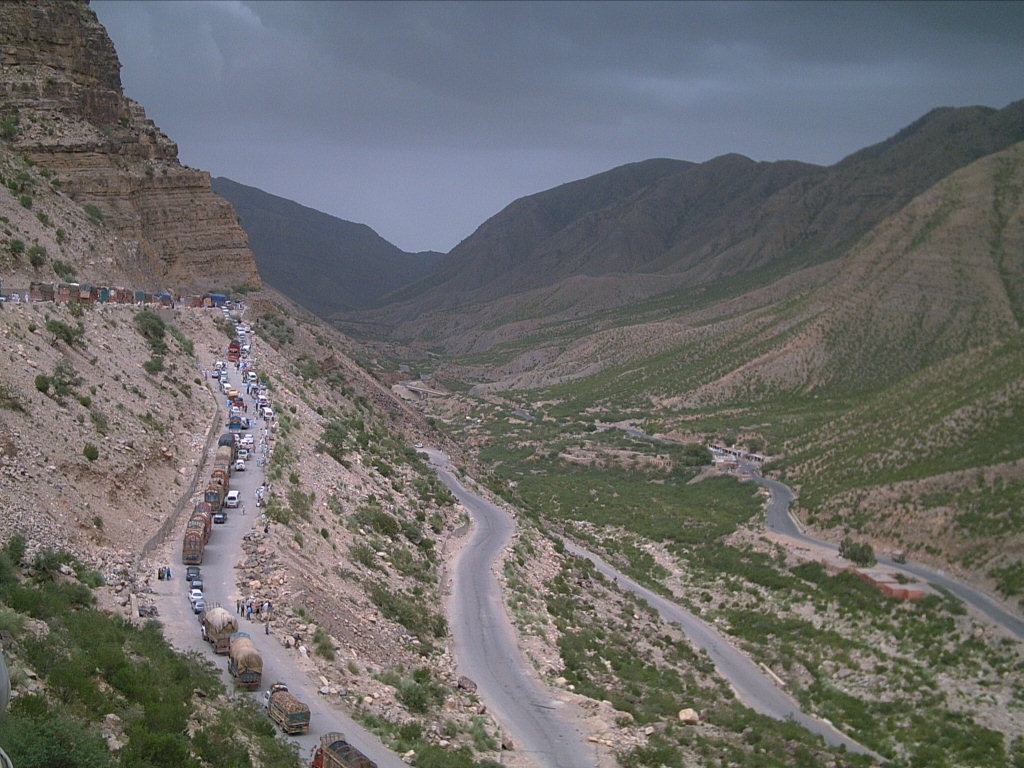
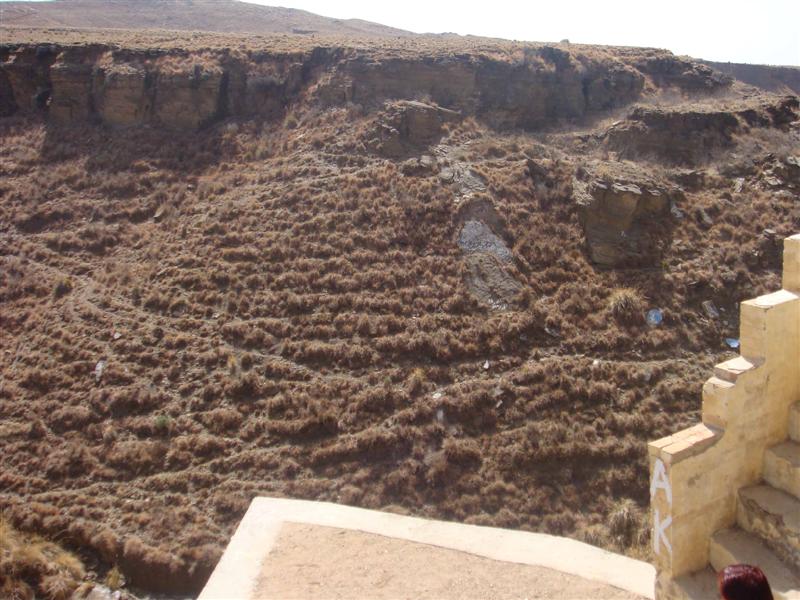
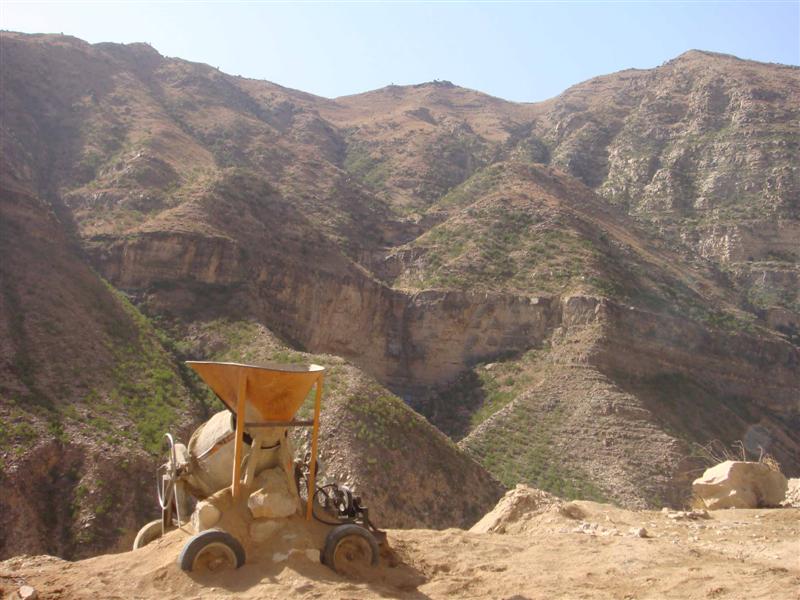
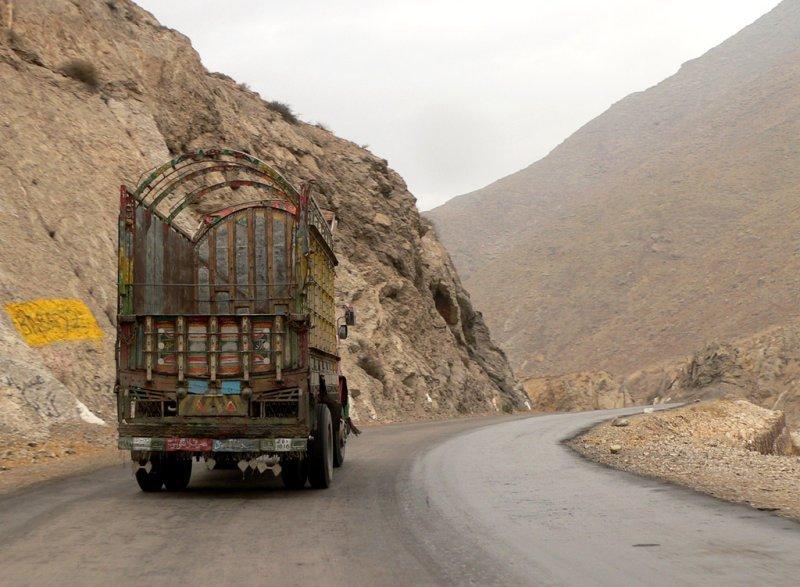
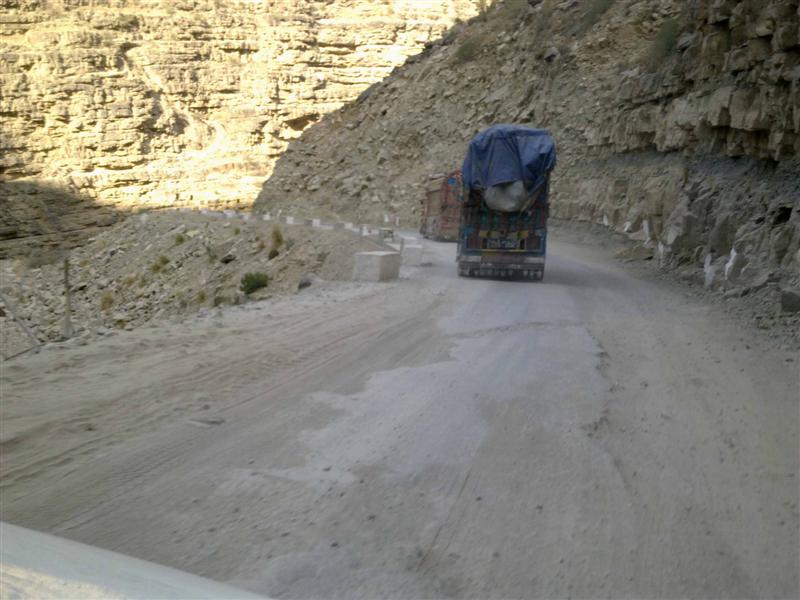
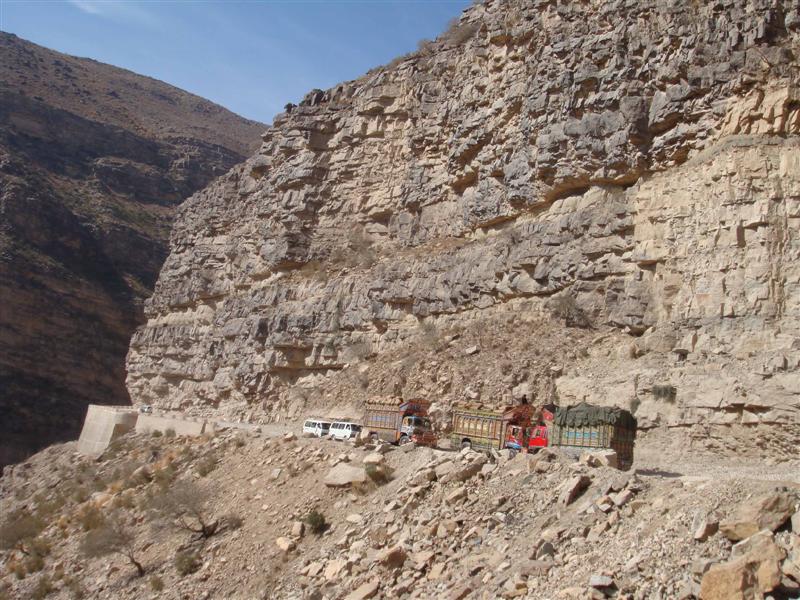
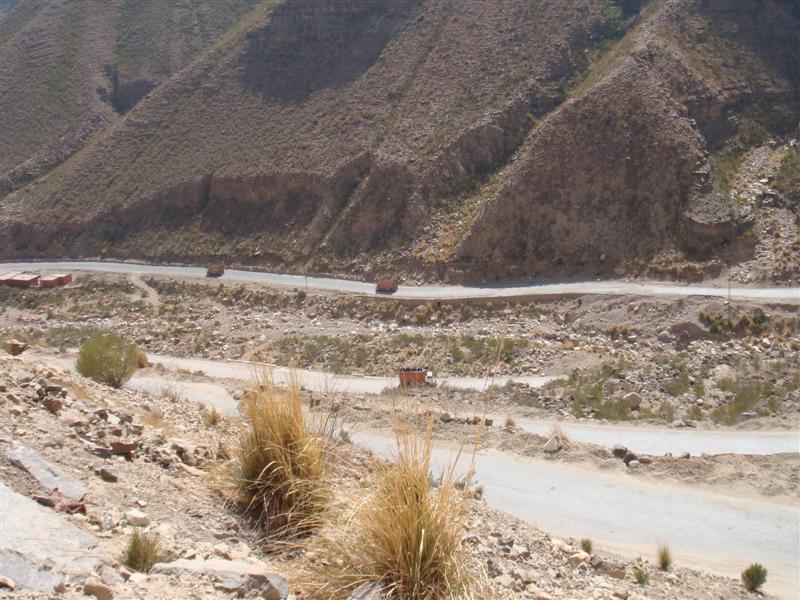
We crossed over the Indus and then we could see hills appearing on the horizon – the height seemed scary but we continued. From Punjab, the mountain range starts near Rakhni, a border-post between Balochistan and Punjab. From Rakhni onwards, the scenery changes from flat plains to the winding mountain range. As we started ascending the heights, freshness and change of mood of the otherwise hostile weather could be easily felt. In those days, the then single road was being widened and we had to stop at many a places since the road used be blocked for blasting of the mountain sides. The thunder and roar of the blasts reverberated so loudly that it was almost deafening. We could see rocks falling down into the ravines and when the stoned rocks hit the others, it gave visible sparks. We stopped, moved and stopped many a times till we finally reached the summit and steered towards Fort Munro.
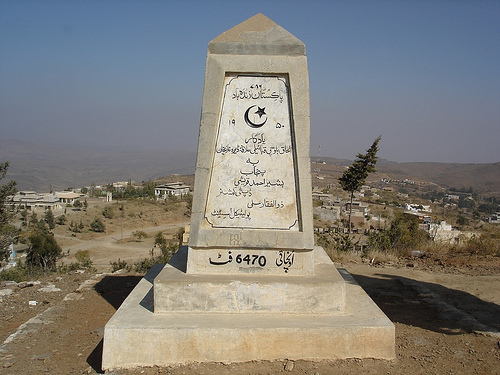
Fort Munro located at a height of 6,470 feet above sea level. Fort Munro was originally known as Anari Mool, Balochi language words meaning hilltop with Pomegranate trees. The term ‘fort’ seemed somewhat exaggerated to me since the town looks more like a peaceful hill resort with gardens and orchards rather than a military outpost. The town was founded by Sir Robert Sandeman in the later part of the 19th century and named Fort Munro after Colonel Munro who was commissioner of the Derajat Division. The people of Fort Munroe are nomads mainly. They are usually bilingual speaking Balochi (called as Sulemani here) and Saraiki. Nurr is a traditional form of music and Jhumar is a traditional dance of the area. Leghari tribe is the main tribe of area – one of the ex presidents of Pakistan Mr Farooq Ahmed Laghari also belongs to the same area/tribe. The tribal area conceded to Punjab in 1950 under an agreement between the Pakistan government and eight of the prominent Tumanders. The names of the Tumanders who signed the agreement are written on the monumental slab standing near the old commissioner house.
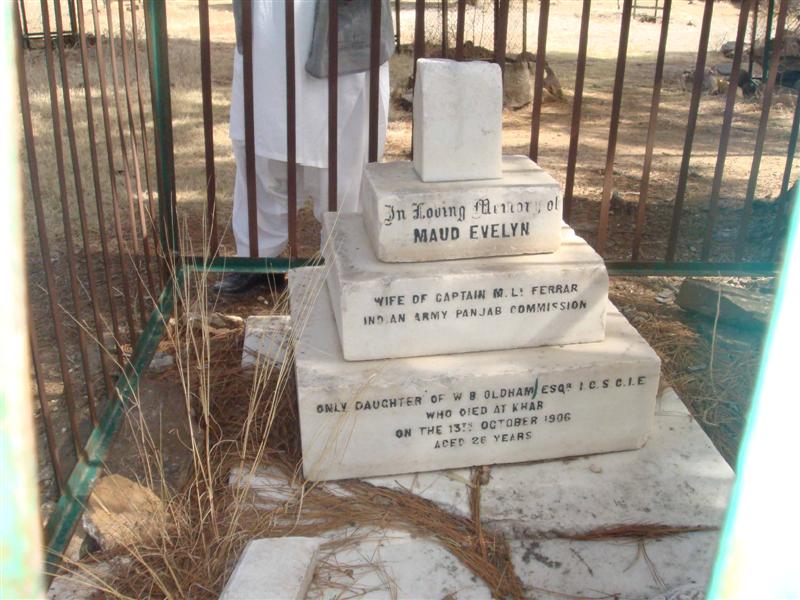
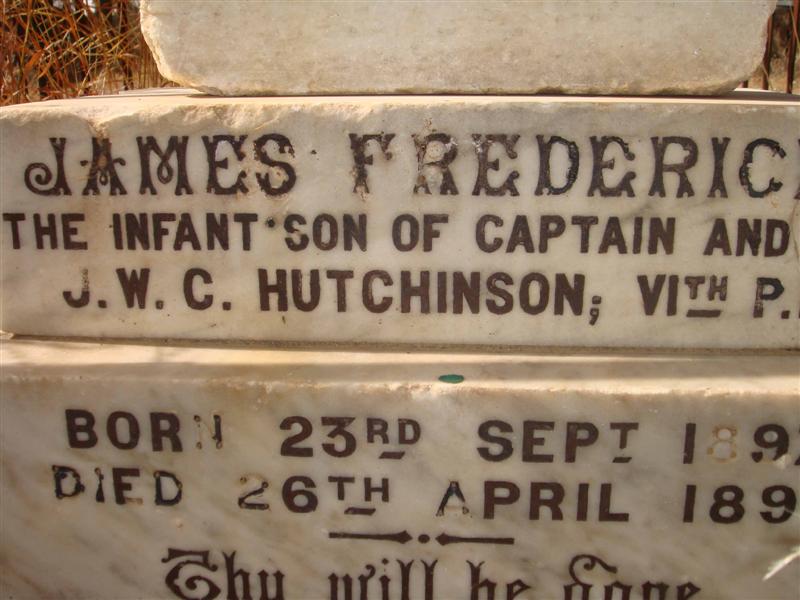
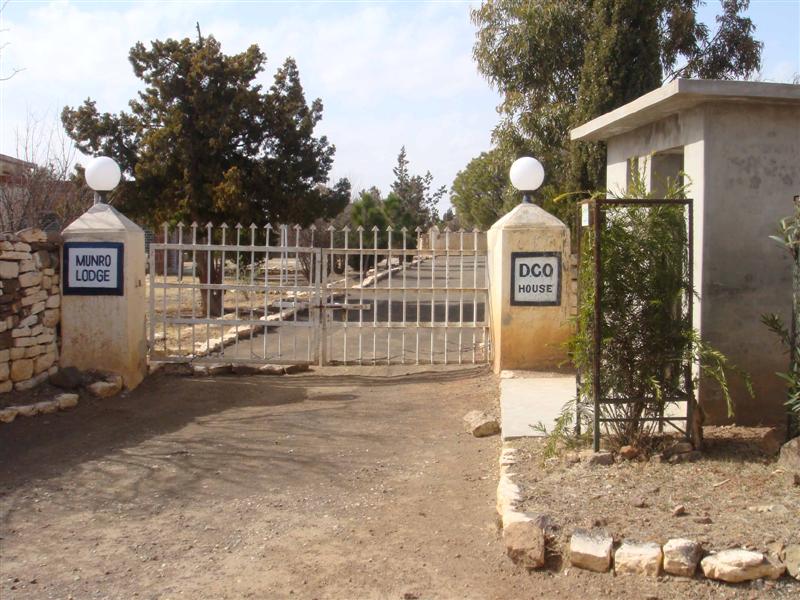
We were greeted by the representatives of our host, the Tehsil Nazim of the area, and were taken to a 19th century built rest house atop the hill just next to the place where once Sir Sandeman had rested. and it really made us thank our host as one different places, multi-coloured banners were displayed welcoming us “Welcome our distinguished guests to Fort Munro”. The small little town rests atop the hill feature over looking the entire valley. The old British day buildings still stand majestically, one is being used by the political agent (PA) and the other is being used as a guest house (where we stayed). In the lawn adjacent to the guest house is a small grave yard which has graves of families of the British officers who died during their stay here. Many tribal chiefs of Balochistan and a few government officials have summer residences here, but it’s more or less empty in winter.
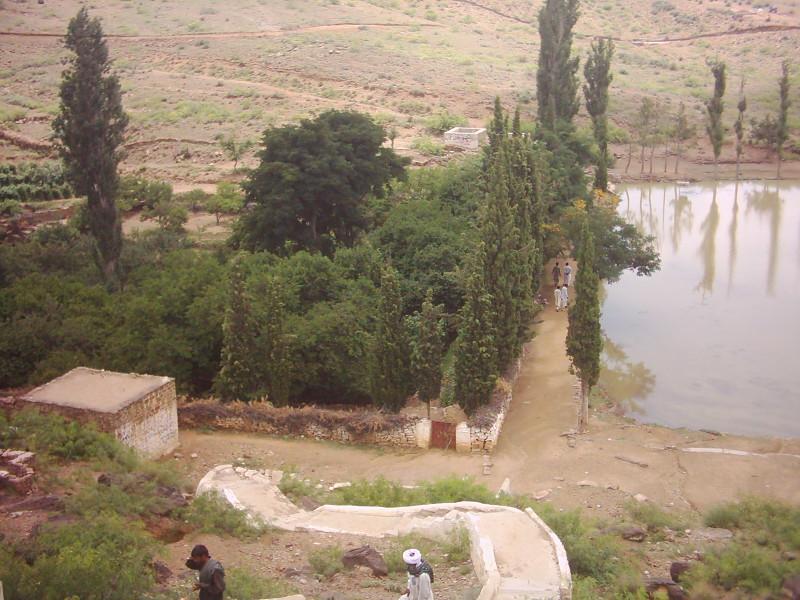
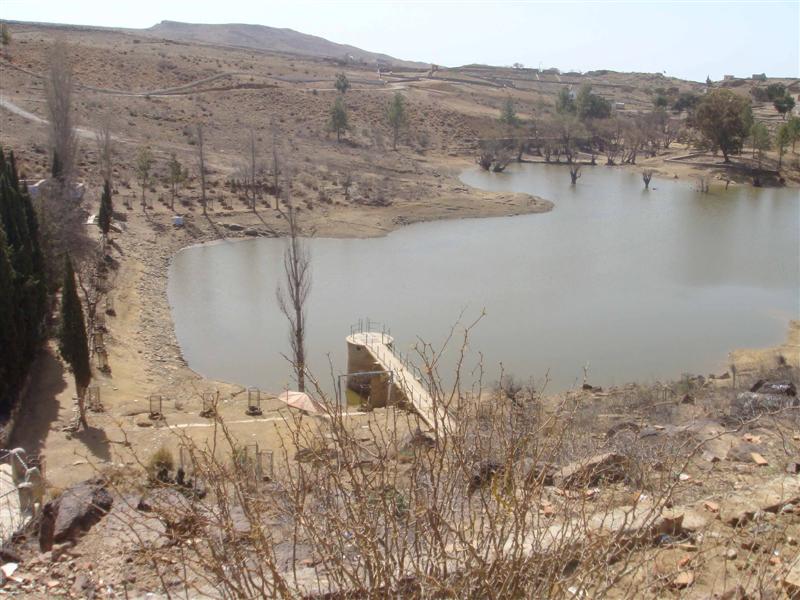
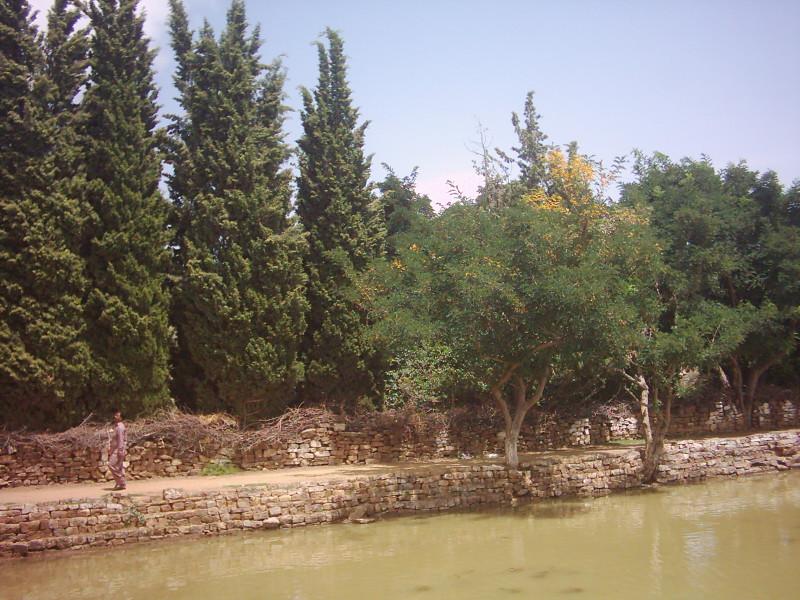
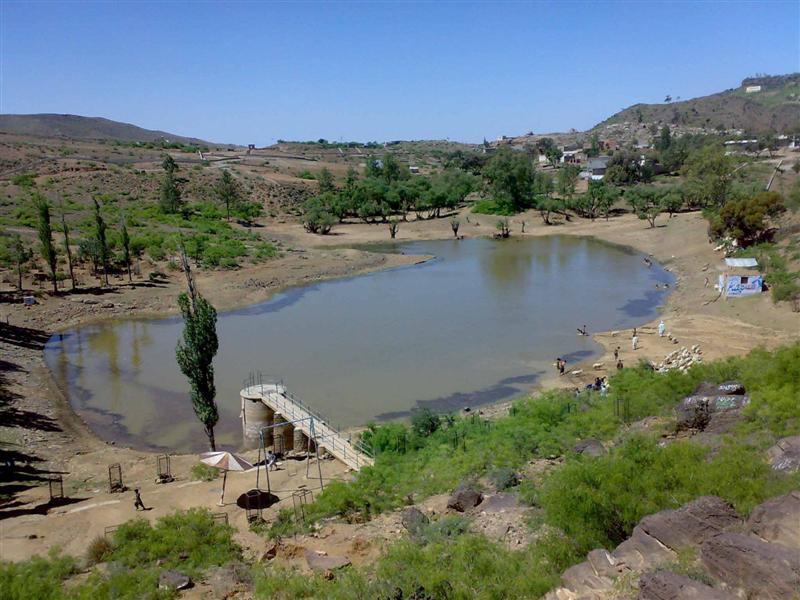
Fort Munro is obscured as a real tourist resort of the Southern Punjab, and isn’t as famous as Murree near Islamabad for it being quite far off from Multan amid difficult mountains. However it still manages to attract a number of tourists every year, particularly those who wish to escape from hot plains of southern Punjab to enjoy mild and pleasant weather for a day or two. The Punjab Government has planned a Rs735 million cable car system and allied facilities project (but seems to have been delayed due shortage of funds). The cable car would start from Khar, a small settlement at the foot of Fort Munro, and go up to Fort Munro after a stopover at TDCP motel. TDCP resort offers excellent boating on the Damis Lake – which covered with huge trees is a fantastic place to rest under its tall green trees.
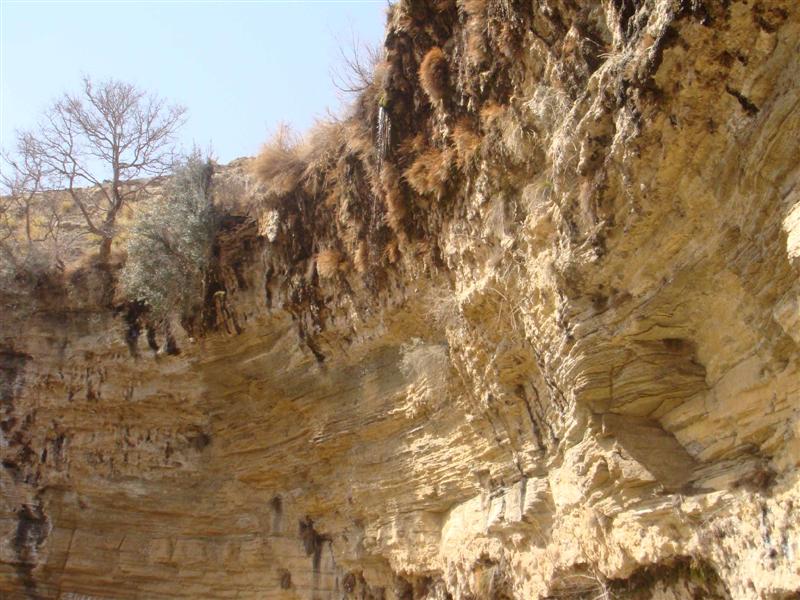
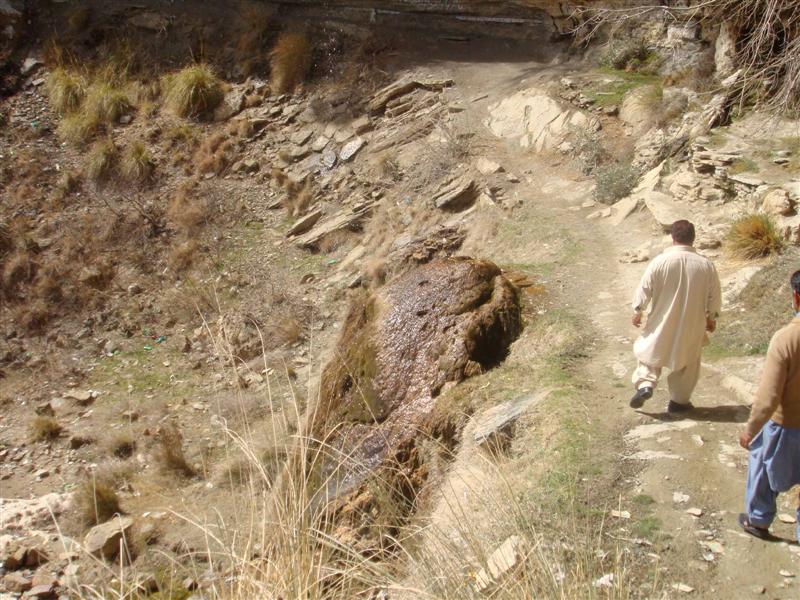
We stayed at the place for four days and moved about the area to enjoy the calm and peaceful tranquility of the lush green country side. The places to visit beside the Damis Lake include Ganji Pahari and Trimon Fall – a magical fall in mountains. The water, really cold, falls into a bowl cut out from stone. We were told by our guide that one sufi saint named Ali Muhammad Laghari made this bowl for people to drink water. Water droplets tricke down on the small narrow path on a number of places and give a feeling of light drizzle.
After a memorable stay of about four days, we returned to Multan – but memories of stay at Fort Munro would remain afresh in my memories for years as there is no place like it in the otherwise hostile weather environs of Punjab and Balochistan.
Source: Jaho Jalal

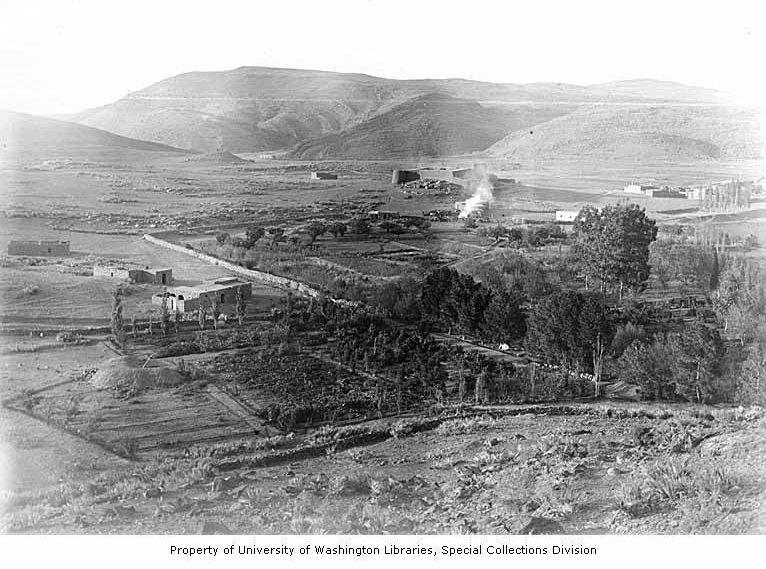
While doing research over the history of Fort Munro, I came across a rare perspective overview of Kher Fort Munro composed in 1899. A classic remembrance of how the place looked like then.

pic_fort-munro_stone

pic_sandeman

Road_Block_due_to_landslide_at_Girdu


Sunday, January 1, 2012

Saraiki literature

Saraiki literature

From Wikipedia, the free encyclopedia

Tomb of Sufi poet Khwaja Ghulam Farid
Saraiki literature is the literature of the Saraiki language, which is mostly spoken in central Pakistan. The main Saraiki-speaking areas are Multan, Bahawalpur, Dera Ghazi Khan, Dera Ismail Khan, Mianwali and Bhakkar. Saraiki is also spoken widely in the Sindh and Baluchistan provinces of Pakistan. Before the formation of Pakistan, Saraiki was written in Devanagari script by Hindus while Muslims always used Persian-Arabic script.
Since the start of consciousness-raising efforts about common ethnic language in the 1960s, the number of Saraiki publications has increased. Most of the writings from the 1960s to the 1980s were political in nature and are coloured by the ethnopolitical aims of the writers. Even though the number of publications has increased in the last and present decade, the Saraiki intellectuals themselves admit that there is not much readership, except perhaps for the works of some renowned contemporary poets, especially of the revolutionary poet Shakir Shujaabadi. Although writings in all the regional languages are suffering from lack of readership for similar reasons, in the case of Saraiki there are two additional reasons. Firstly, most of the writers bring in colloquial phraseology (which varies from one variety to the other) in their writings and secondly, many writers, in their zeal to prove the antiquity of Saraiki language and to promote its Indo-Aryan feature, tend to use more Sanskrit words instead of the more common Arabic-Persian words in order to distinguish it from Punjabi and Urdu, thus blocking the understanding of their general readers.

Contents

 [hide

[edit] Poetry

Khawaja Ghulam Farid (1845–1901), his famous collection is Deewan-e-Farid. Sultan Bahu and Sachal Sar Mast (1739–1829) are the most celebrated Sufi poets in Saraiki and their poems, known as Kafi, are still famous.
The beloved's intense glances call for blood
The dark hair wildly flows The Kohl of the eyes is fiercely black
And slays the lovers with no excuse
My appearance in ruins, I sit and wait
While the beloved has settled in Malheer I feel the sting of the cruel dart
My heart the, abode of pain and grief A life of tears, I have led Farid
-one of Khwaja Ghulam Farid's poems (translated)
Shakir Shujabadi (Kalam-e-Shakir, Khuda Janey, Shakir Diyan Ghazlan, Peelay Patr, Munafqan Tu Khuda Bachaway, Shakir De Dohray are his famous books) is very well recognized modern poet. Following are the major Saraiki poets:
  • Bedil Sindhi (Dewan-i-bedil)
  • Hamal Leghari (Dewan-i- Hamal)
  • Lutf Ali (Saifal Nama)
  • Rasheed Khan Qaisrani
  • Khurum Bahawalpuri (Khiaban-i-Kurum)
  • Safeer Leshari (Vepray)
  • Mumtaz Haider Daher (Andharay-de- raat and Kashkool vich samandar)
  • Ashoo Lal (Chhero hath nah murli)
  • Iqbal Sokri (Kalay Roh, Chitti Baraf)
  • Bashir Ghamkhawr
  • Mustafa Khadim
  • Refat Abbas (Parchhian ute Phul and Sangat Ved)
  • Nasrullah Khan Nasir (Ajrak and Aoey Hoey)
  • Jahngeer Mkhlis
  • Qais Faridi (Nemro)
  • Aman-ullah Arshad
  • Naseer Sarmad (Sojhla)
  • Saeed Akhtar Sial
  • Bakht Fakir of Ahmad pur Lamma
  • Ahamad Khan Tariq
  • Hazrat Pir Mitha
  • Ashaq Buzdar
  • Haji Qadir Gurmani

[edit] Prose

[edit] Novelists

Ismail Ahmedani is probably the most celebrated novelist and fiction writer in modern Saraiki literature. Ahmedani has done much to promote the Saraiki language as a language for modern fiction writing. He was awarded Khwaja Ghulam Farid award by the government of Pakistan on Chholian. Ismail Ahmedani died at Karachi on 6 June 2007 and buried in his home village of Rasoolpur.

[edit] Fiction authors

[edit] Linguists

  • Mehr Abdul Haq, author of Multani Zaban Ka Urdu Se Taaluq
  • Zami Bahawalpuri, author of Saraiki Lughat and Saraiki Zaban Ka Irtaqa
  • Dilshad Kalanchvi, author of Saraiki Lisaniat
  • Ahsan Wagha, M.Phil thesis The Saraiki Language: Its Growth and Development
  • Shaukat Mughal, author of Saraiki Dian Khas Awazan Di Kahani, Saraiki Muhawaray, Saraiki Masadir, Saraiki Parhoon Te Saraiki Lekhoon and others

[edit] Critics

  • Sadique Taher, writer of the collection of articles Wewaray
  • Javed Chandio, Head of the Siraiki Department in The islamia University of Bahawalpur(Pakistan). He is the first and the only Ph.d in Siraiki literature from the Siraiki Department. Author/editor of eight books on Siraiki literature. writer of valuable critical work on Khwaja Ghulam Farid. His major work is as under:
Divan-i-Farid (1998) Khwaja Farid (1999) Allah Mailay Wal Sang Yaara (2003) Maqalaat (2003) Armughan-i-Khwaja Farid (2003) Siraiki Zaban Adab Aur Mua'shra (2007) Savail I & II (1995 & 1997)
Having many valuable research articles on his credit. Edited the oldest qurterly journal "Siraiki" since 1999. Headed the oldest Siraiki literary organization "Siraiki Adbi Majlis(Regd.) Bahawalpur" Since 1999. The First Gold Medalist in M.A. Siraiki and the first regular teacher of the Siraiki language & Literature in any University of Pakistan. He is still teaching in the University.[1]

[edit] Dramatists

[edit] Artists and performers


Saraiki folk singer late Pathanay Khan
Many modern Pakistan Singers like Hadiqa Kiyani and Ali Zafar have also sung Saraiki folk songs.

[edit] See also

[edit] References

[edit] External links